 08045475490




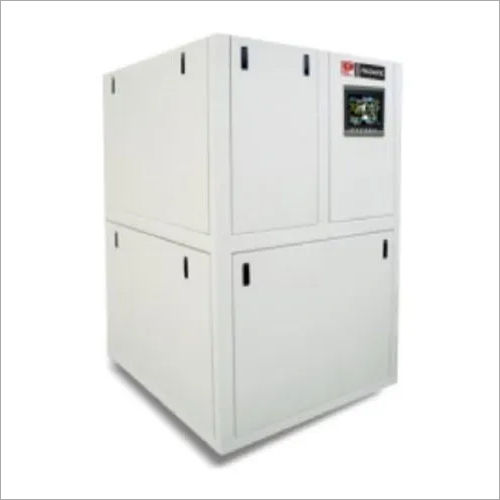
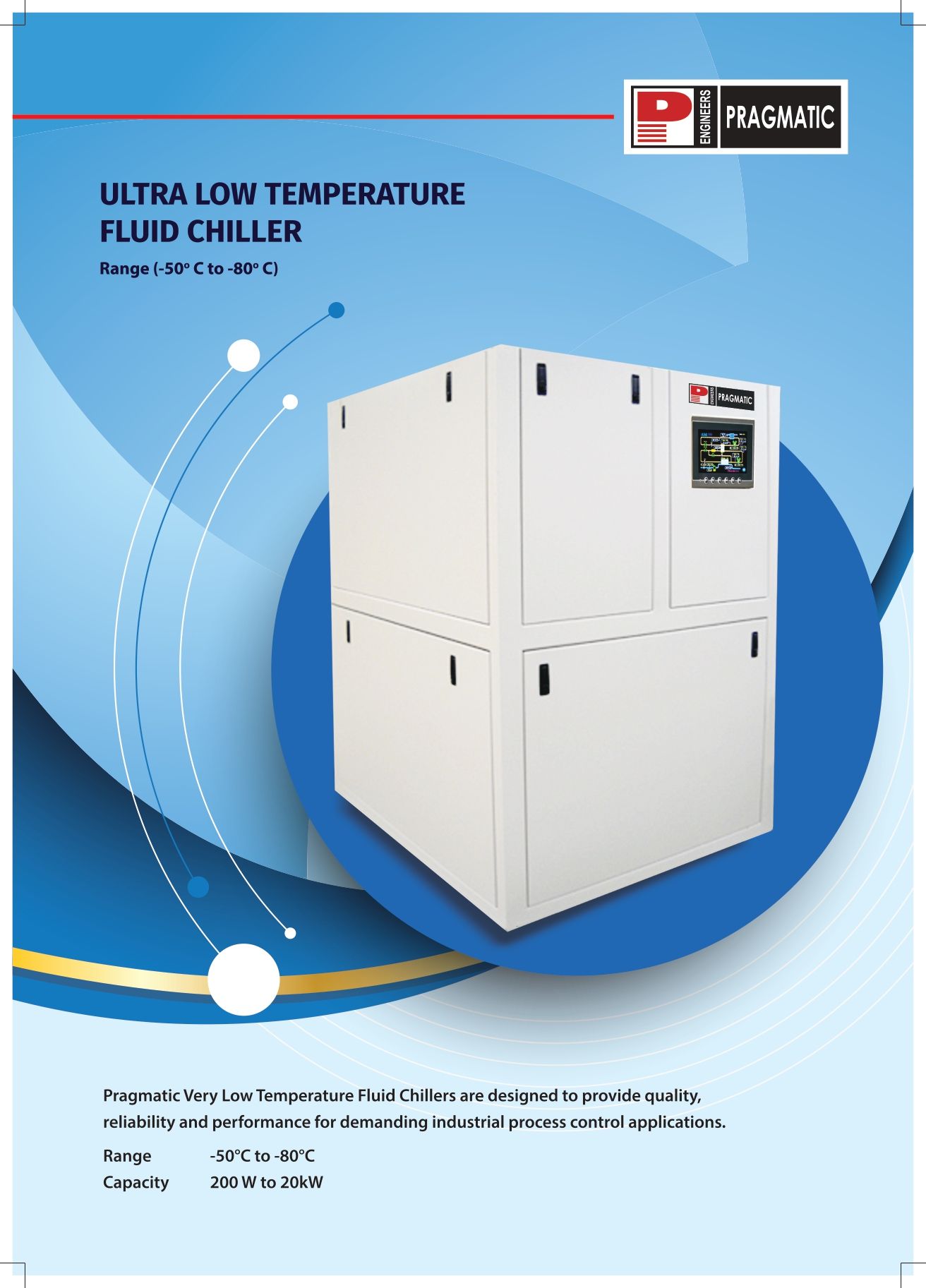
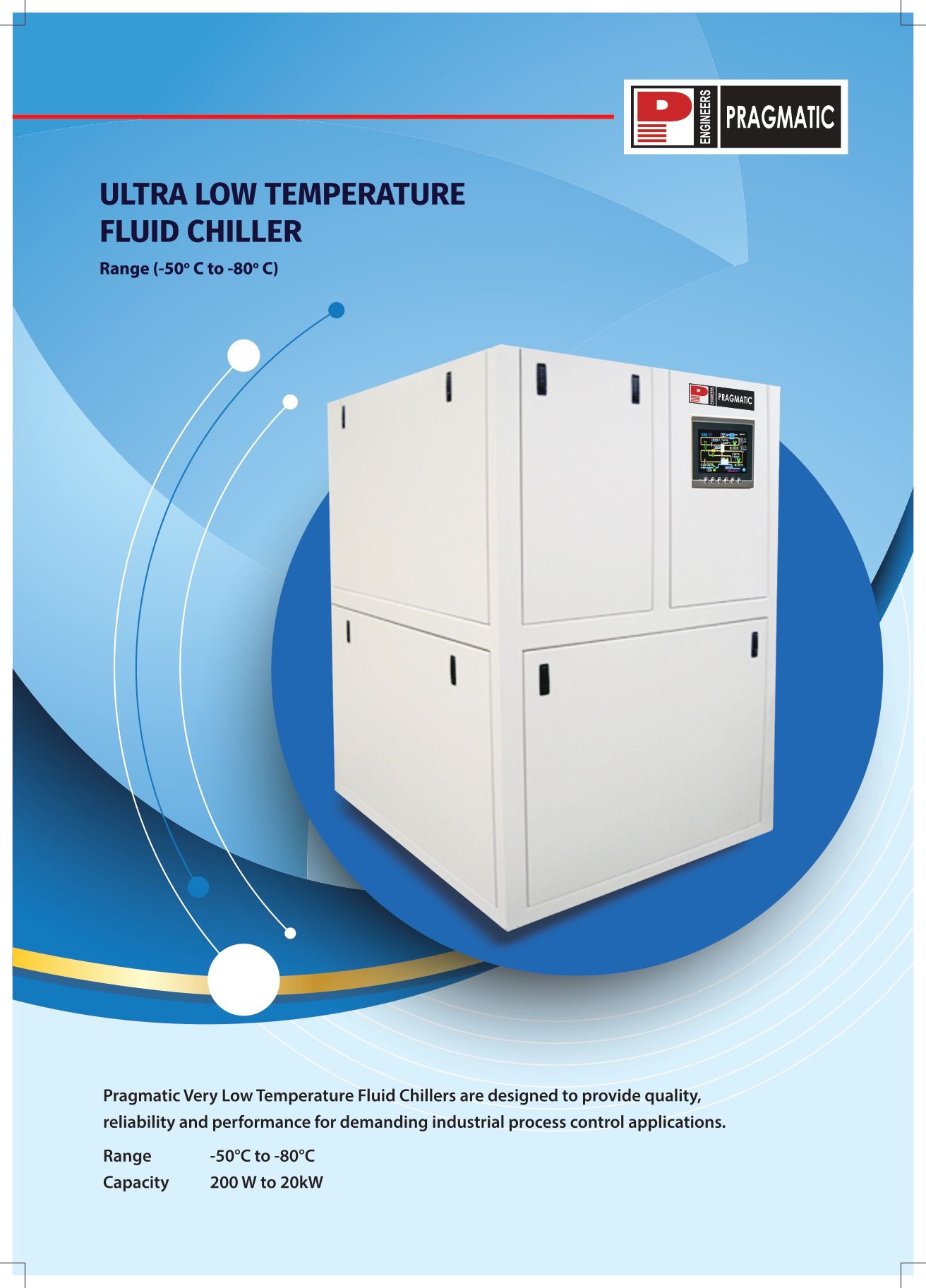
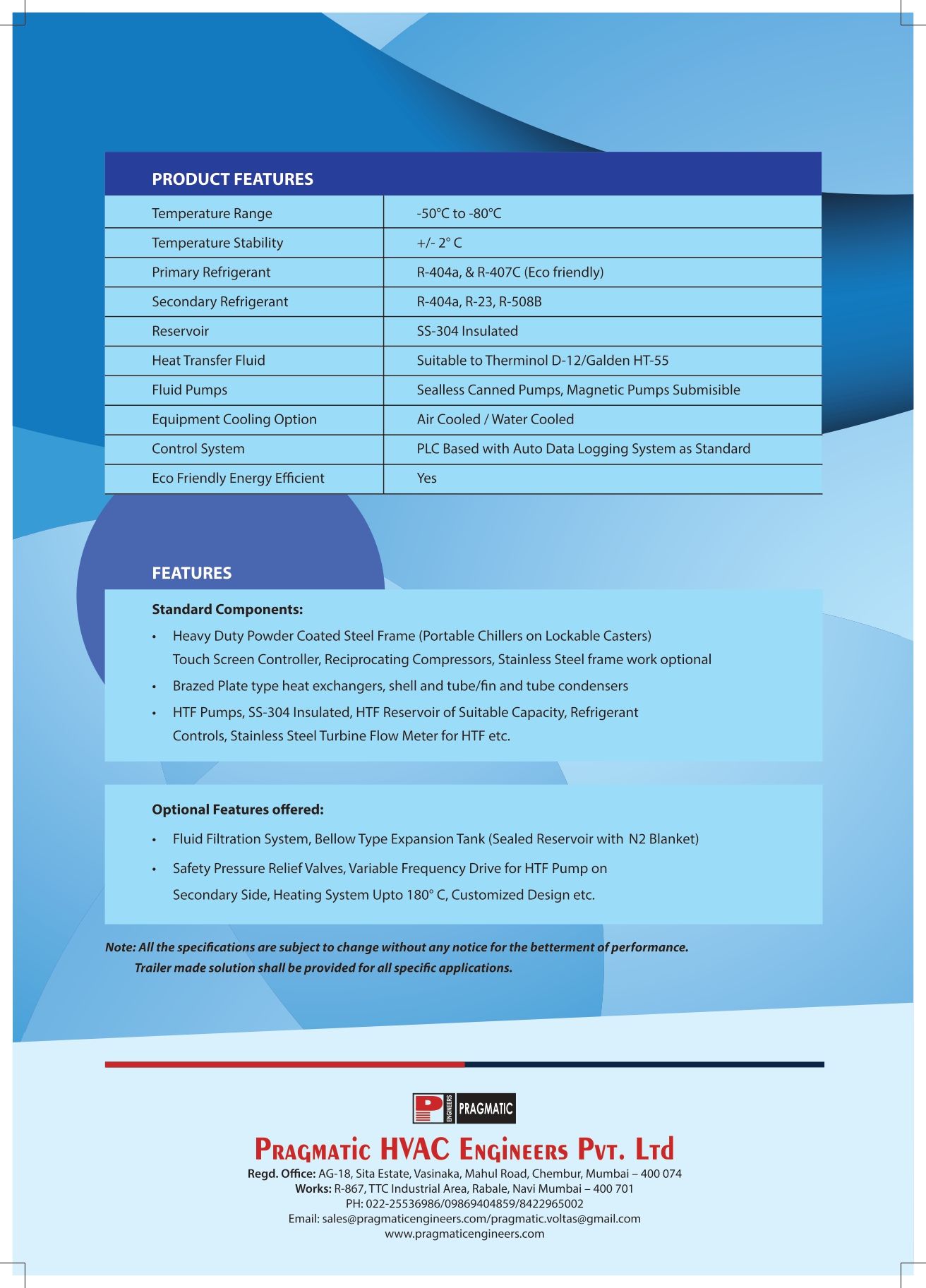
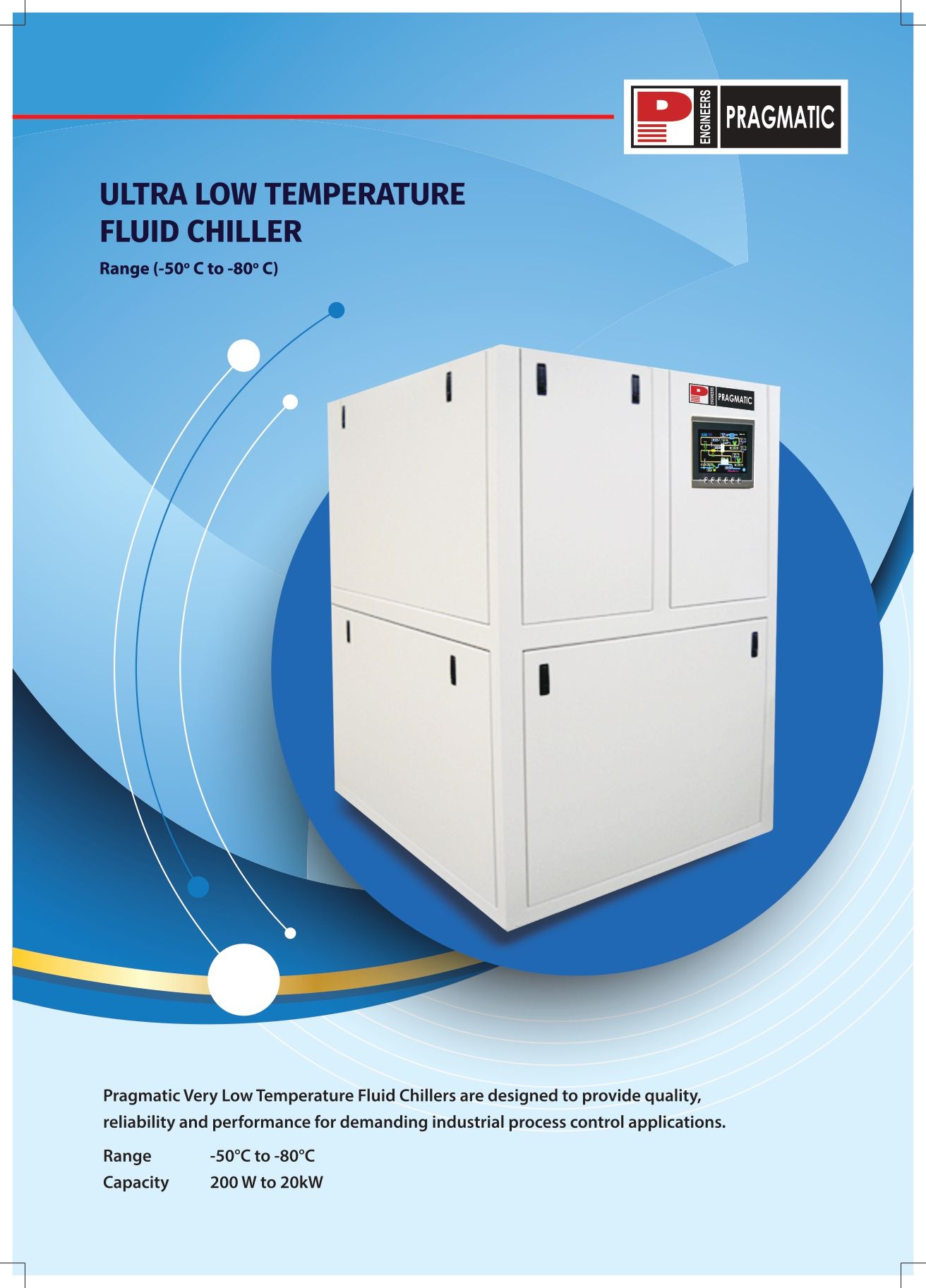
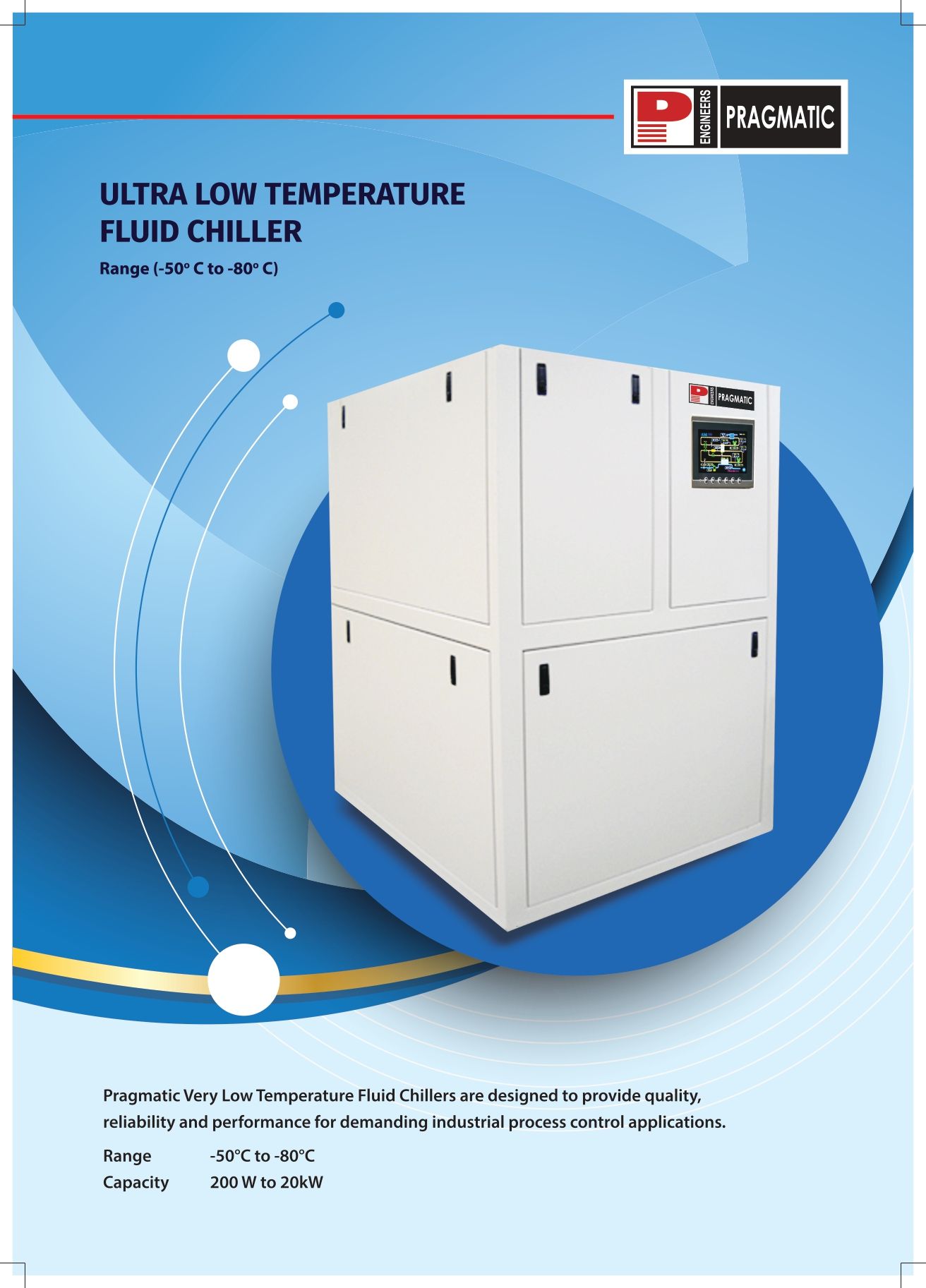
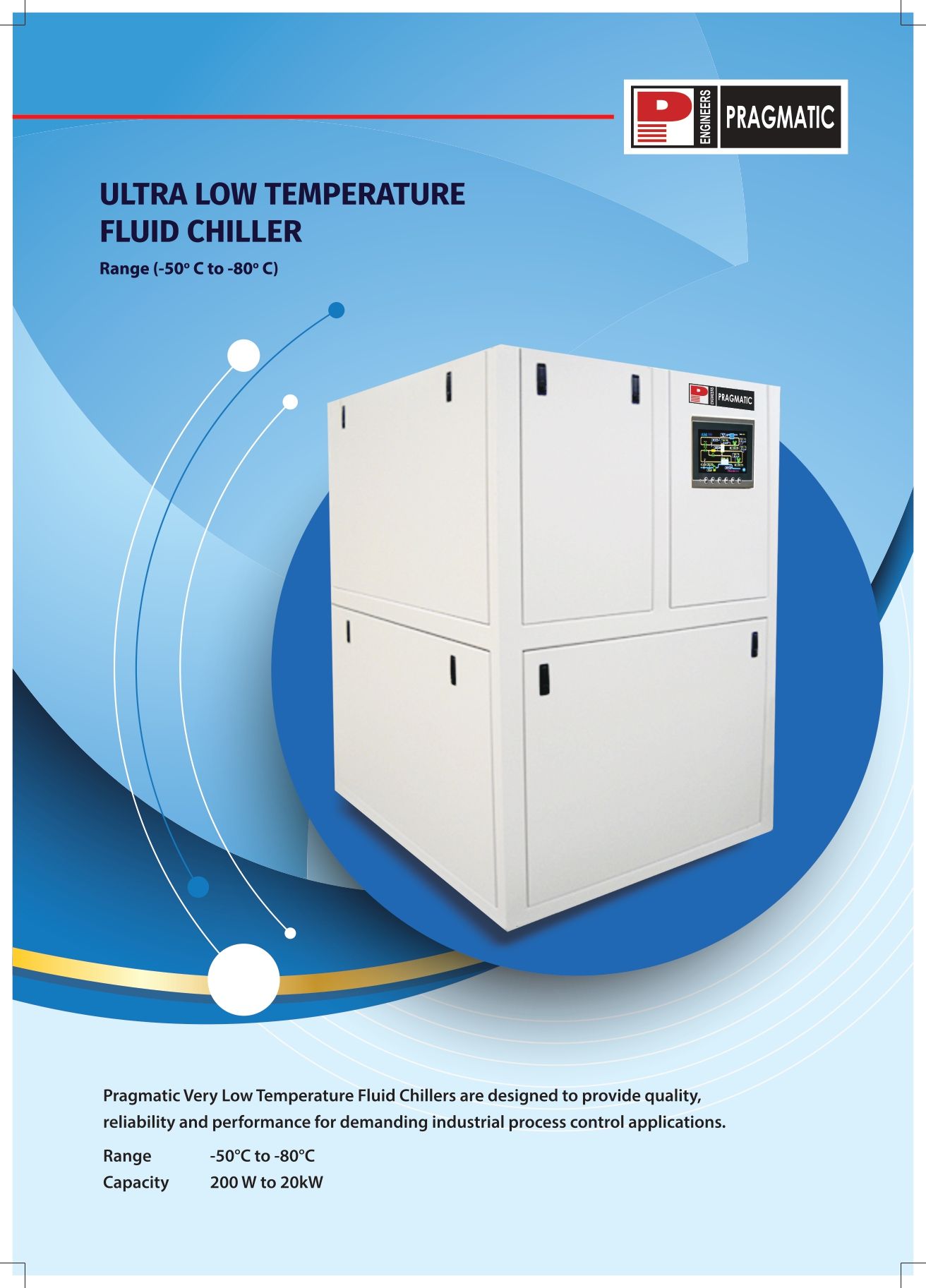
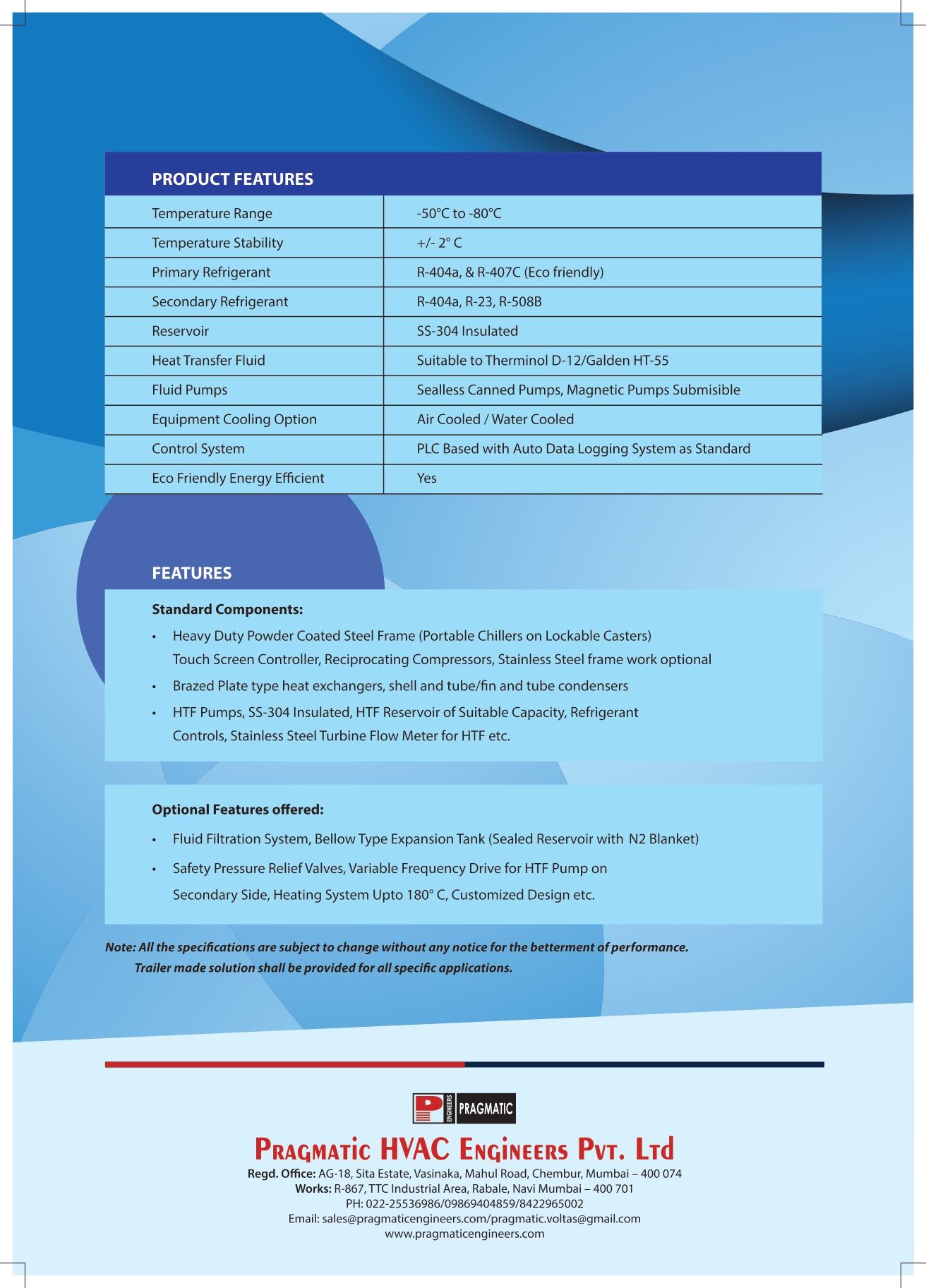


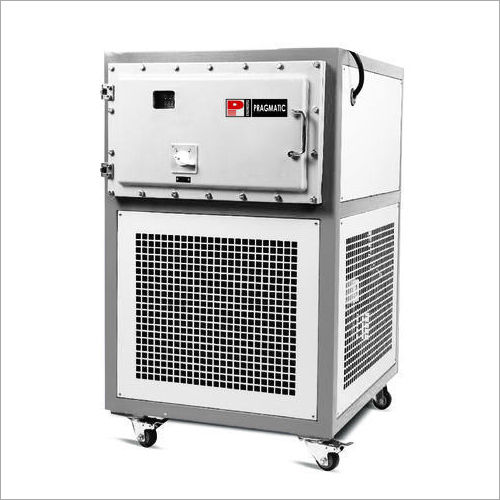
Heating Cooling Fluid Chillers
648000.0 INR/Unit
Product Details:
- Refrigerating Capacity 1TR to 60TR (Ton of Refrigeration)
- Air Flow Optimized by axial fans
- Application Process Cooling, Laboratory, Chemical Plants
- Material Metal
- Motor Heavy-duty Industrial Grade Motor
- Usage Industrial
- Condition New
- Click to view more
X
Heating Cooling Fluid Chillers Price And Quantity
- 648000.0 INR/Unit
- 1 Unit
Heating Cooling Fluid Chillers Product Specifications
- Industrial
- Optimized by axial fans
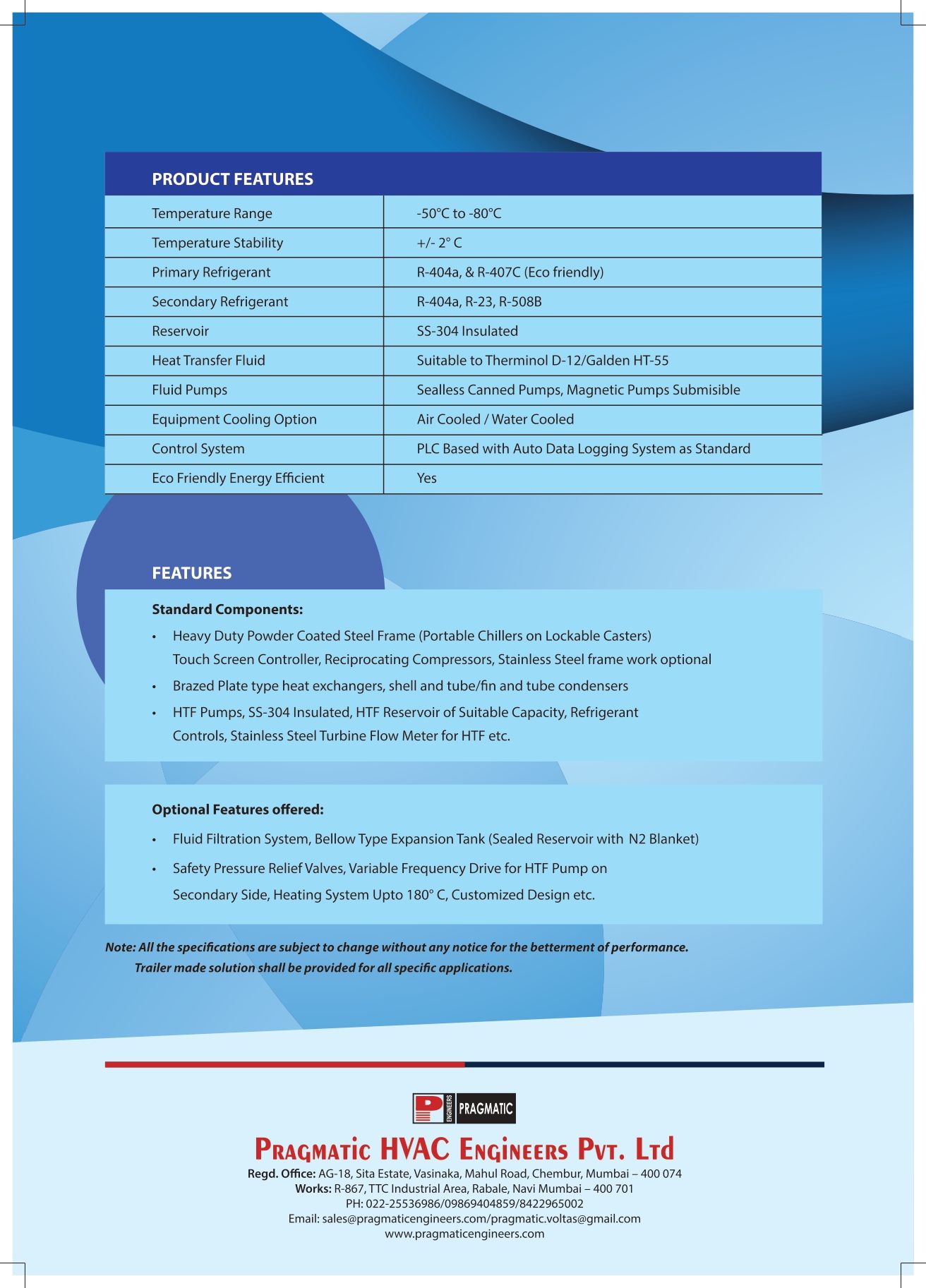
- Water Cooled / Air Cooled
- Hermetic/Scroll type, High Efficiency
- Copper with Aluminium Fins
- 380V / 415V / 460V
- 1TR to 60TR (Ton of Refrigeration)
- 72 dB(A), Low Noise Operation
- Process Cooling, Laboratory, Chemical Plants
- 3 Phase, 50Hz / 60Hz
- Custom, subject to order specification
- Fluid Chiller Unit
- Stainless Steel/Brass
- Metal
- Submersible/Inline, as per requirement
- 750-2000 LPH (customizable)
- New
- White
- Heavy-duty Industrial Grade Motor
- Up to 50C
- Easy Access Panel with Service Alarm
- 0.5 HP to 5 HP, Customizable
- Floor Mounted, Plug and Play
- Overload, Phase Failure, High-Pressure, Low-Pressure
- Standard White (Custom Color Available)
- Closed Loop/Single Pass
- Microprocessor-based Automatic Control
- Air-cooled finned tube / Shell and Tube (for water-cooled)
- Digital LCD with Parameter Settings
- Eco-friendly R134a / R407c / R410a
- 5C to 25C
- Optional Heavy Duty Wheels Available
Heating Cooling Fluid Chillers Trade Information
- 50 Unit Per Month
- 7 Days
Product Description
Being a very prominent name of the market, we are showing a huge assortment of Heating Cooling Fluid Chillers. These are space efficient, compact and have robust design. These are manufactured by using the quality approved material procured form the most reliable vendors of the market. These are highly praised due to their various attributes like longer service life, durability & superior performance. We make available these Heating Cooling Fluid Chillers for clients in different sizes and specifications as per their requirements at most affordable rates.
Advanced Temperature Control
Engineered with a microprocessor-based automatic controller, our fluid chillers maintain temperatures effortlessly between 5C to 25C. The intuitive digital LCD display allows users to set and monitor parameters precisely, ensuring consistent and reliable performance for laboratory, chemical plant, or industrial process cooling applications.
High Efficiency and Versatility
Featuring hermetic or scroll compressors and optimized airflow from axial fans, these chillers achieve high refrigerating efficiency while operating at low noise levels (72 dB(A)). Choose between air-cooled or water-cooled configurations, with customization options for pump capacity, water flow rates, and construction dimensions to suit diverse industrial requirements.
Robust Protection and Maintenance
Safety is paramount with overload, phase failure, high- and low-pressure protection integrated into the automatic control system. The chillers are designed for easy maintenance, featuring a service alarm and conveniently accessible panels, minimizing downtime while maximizing productivity for uninterrupted operations.
FAQ's of Heating Cooling Fluid Chillers:
Q: How do I set and monitor the desired temperature on the fluid chiller?
A: The chiller is equipped with a digital LCD display and parameter setting interface. Simply use the control panel to input your desired temperature (between 5C and 25C), and the microprocessor-based controller will automatically regulate and maintain the set temperature during operation.Q: What type of refrigerant is used, and is it environmentally safe?
A: Our chillers utilize eco-friendly refrigerants, including R134a, R407c, and R410a, which are selected for their energy efficiency and lower environmental impact, helping your operations adhere to modern green standards.Q: When should I perform maintenance, and how is it managed?
A: Routine maintenance is made easier with the chiller's easy access service panel and built-in service alarm. The alarm notifies you when attention is needed, helping ensure sustained performance. Typical schedules depend on operating conditions, but servicing every few months is recommended.Q: Where can these chillers be installed, and are they easily movable?
A: These units are designed for floor-mounted installation in industrial environments, such as laboratories and chemical plants. For flexible placement, heavy-duty caster wheels are available as an optional feature, allowing for easy movement across your facility.Q: What are the benefits of the closed loop and single pass circulation methods?
A: Closed-loop circulation minimizes contamination and water consumption, making it ideal for process cooling applications needing consistency. Single pass is often chosen for applications where fluid is not recycled. Both methods can be selected based on your operational requirements.Q: How does the chiller ensure operational safety and protect against faults?
A: The microprocessor-based controller provides automatic protection against overload, phase failure, high-pressure, and low-pressure conditions, safeguarding the equipment and ensuring safe, reliable operation even in demanding industrial settings.Q: What customization options are available for these fluid chillers?
A: Customers can choose from a wide range of capacities (1TR to 60TR), water flow rates (750-2000 LPH), condenser and pump types, nozzle materials, colors, dimensions, and installation options to align exactly with their unique process requirements.Tell us about your requirement

Price:
Quantity
Select Unit
- 50
- 100
- 200
- 250
- 500
- 1000+
Additional detail
Mobile number
Email

Other Products in 'Industrial Chillers' category

Contact Details

- AG-18, Sita Estate, Vasinaka, Mahul Road, Chembur,Mumbai - 400074, Maharashtra, India
- Phone : 08045475490
PRAGMATIC HVAC ENGINEERS PRIVATE LIMITED
GST : 27AAHCP6537B1ZG
GST : 27AAHCP6537B1ZG

- Send Inquiry
- Mr. Ramachandran R Nair (Director)
Mobile : 08045475490, 08422965002
 Send Inquiry
 Send Inquiry
 Send SMS
PRAGMATIC HVAC ENGINEERS PRIVATE LIMITED
All Rights Reserved.(Terms of Use)
Developed and Managed by Infocom Network Private Limited.
Developed and Managed by Infocom Network Private Limited.

